Have you ever noticed that just when you start feeling better, life seems to pick up speed again?
You begin having more good days. Your energy improves, everyday tasks feel easier, and you finally start recognizing the person you were before your health challenges began. Naturally, you want to ge...
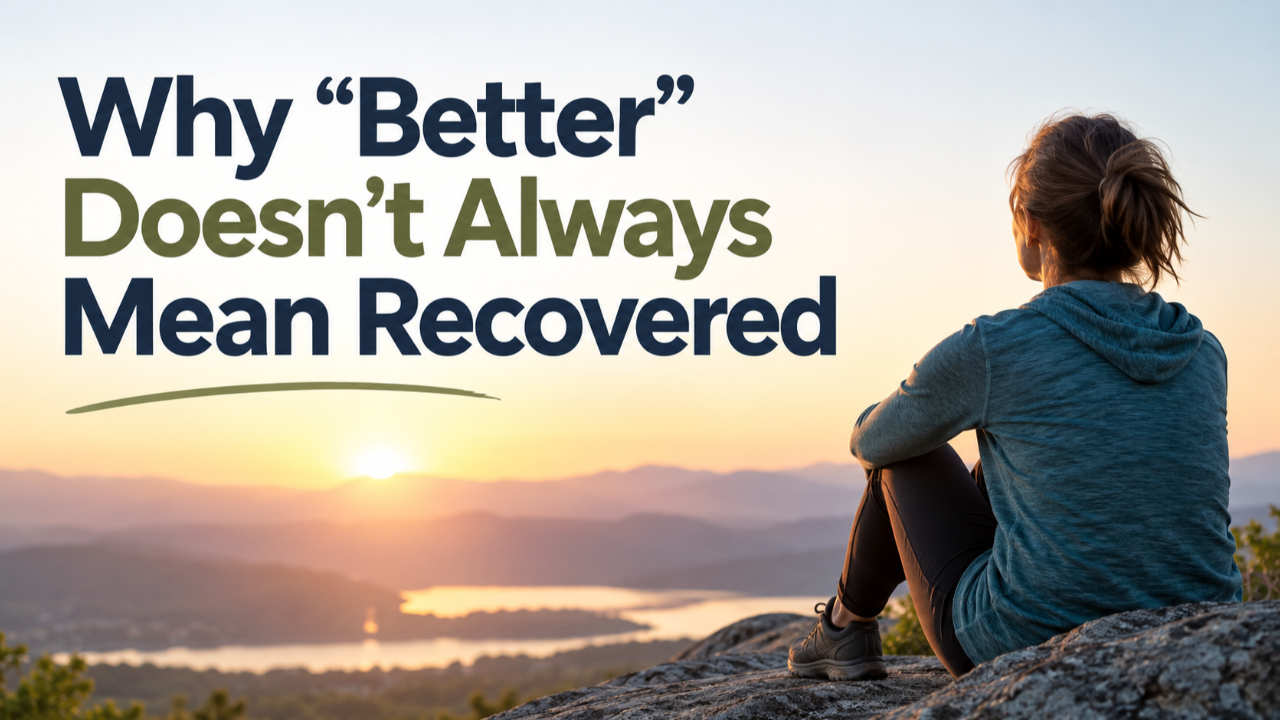
The appointment goes well. The scan looks good. The incision has healed. Physical therapy is finished. The lab numbers have improved. Treatment is over.
By many measures, you’re better.
So why don’t you feel like yourself yet?
This can be one of the more confusing parts of recovering from an illn...
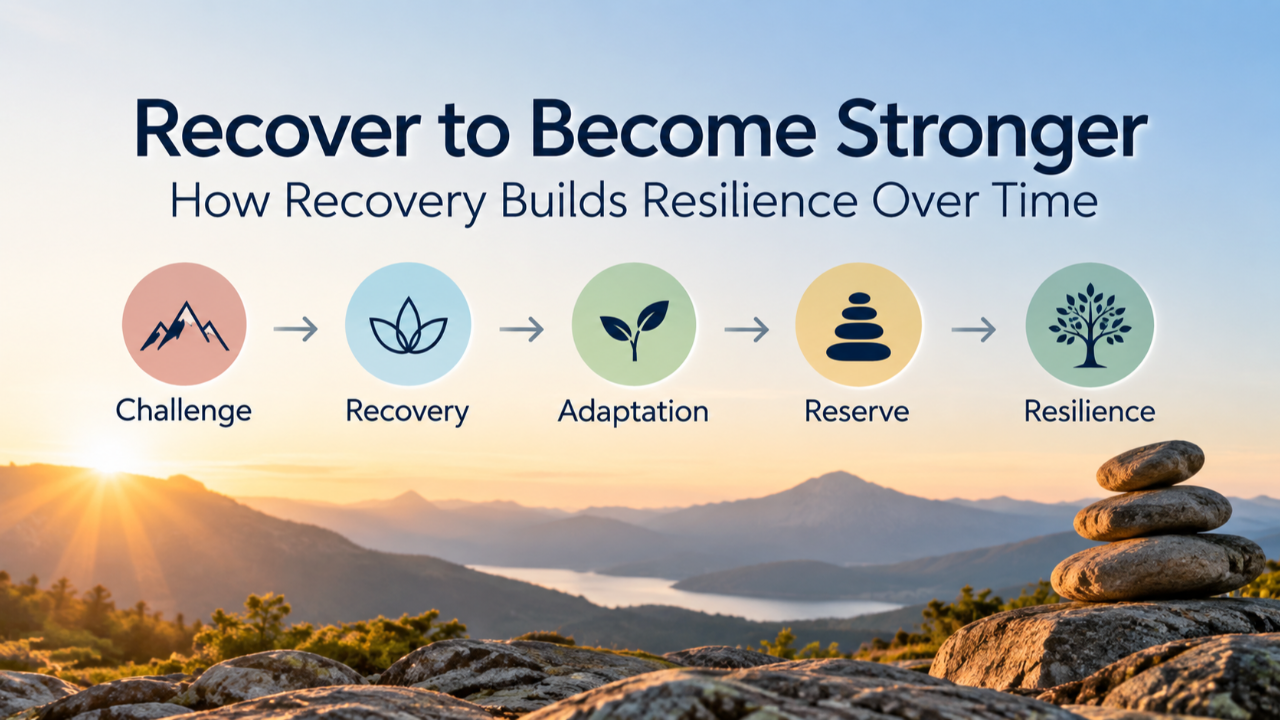
When we think about resilience, we often picture someone who can handle a lot.
Someone who keeps going despite a demanding schedule, a difficult season, an illness, a loss, or an unexpected setback. We may admire the person who seems able to push through almost anything and assume that resilience ...
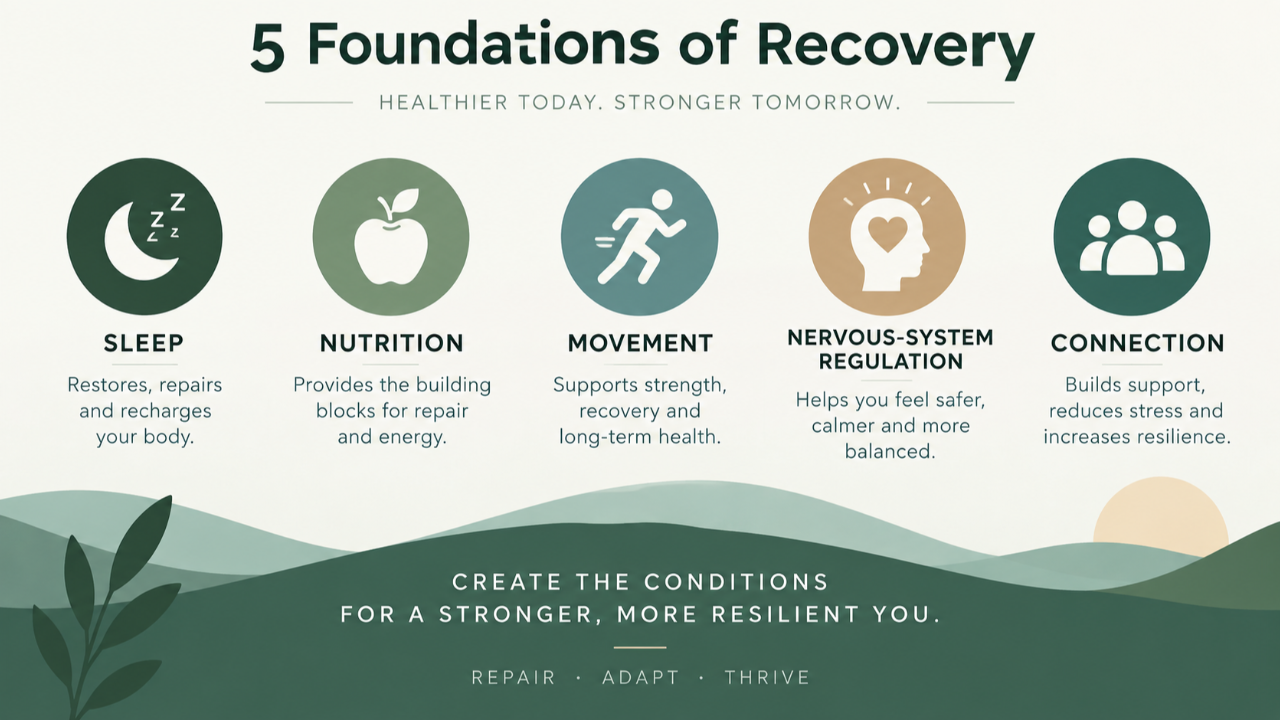
Over the past several weeks, we’ve explored recovery from a different perspective.
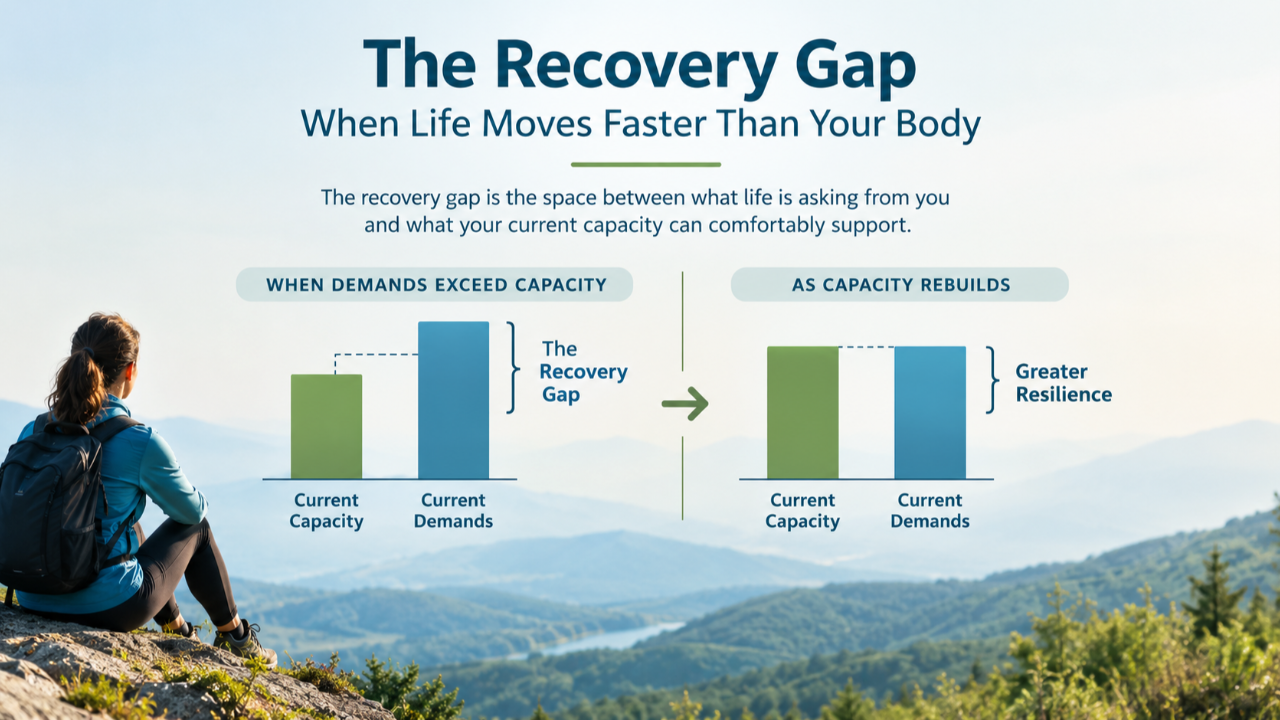
We’ve looked at recovery as an active biological process rather than simply “rest.” We’ve talked about the resources required to repair, restore, and adapt. And we’ve considered what can happen when the demands plac...
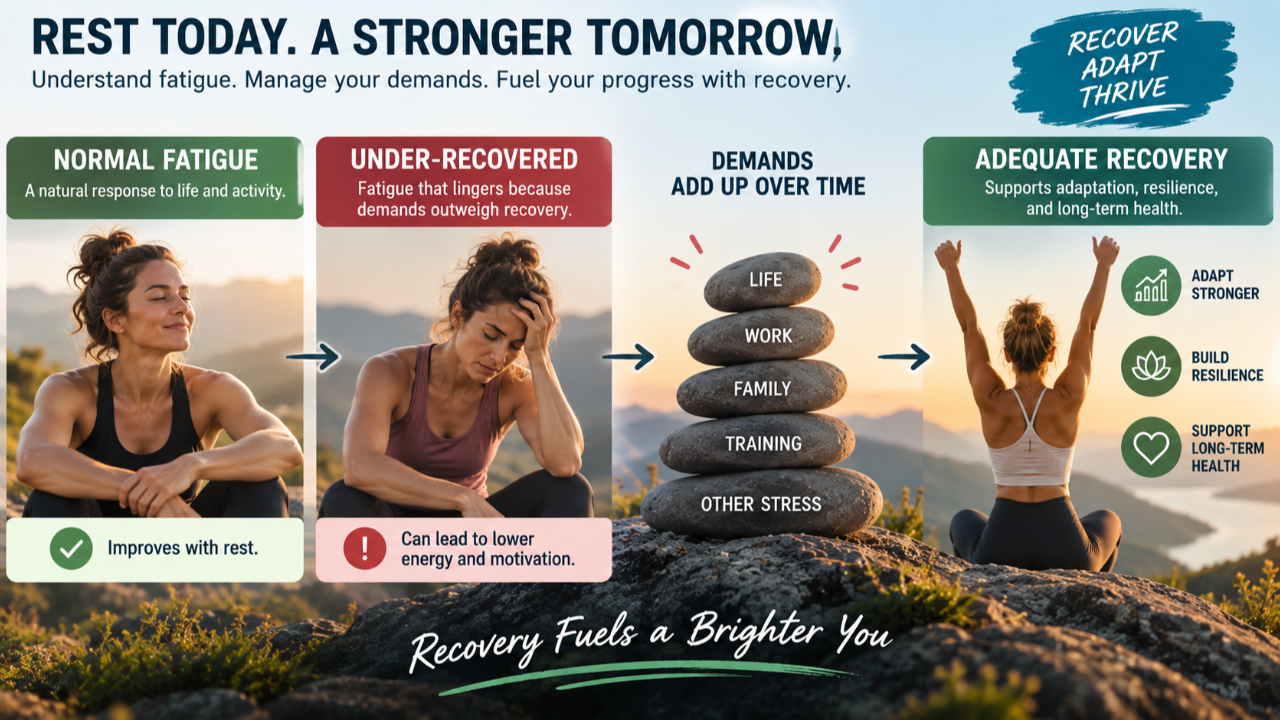
Feeling tired after a demanding day, sore after a workout, or mentally drained after a stressful week doesn't necessarily mean something is wrong. In fact, temporary fatigue is often a normal response to challenge.
We use resources when we exercise. Concentrated mental work requires energy. Emotio...
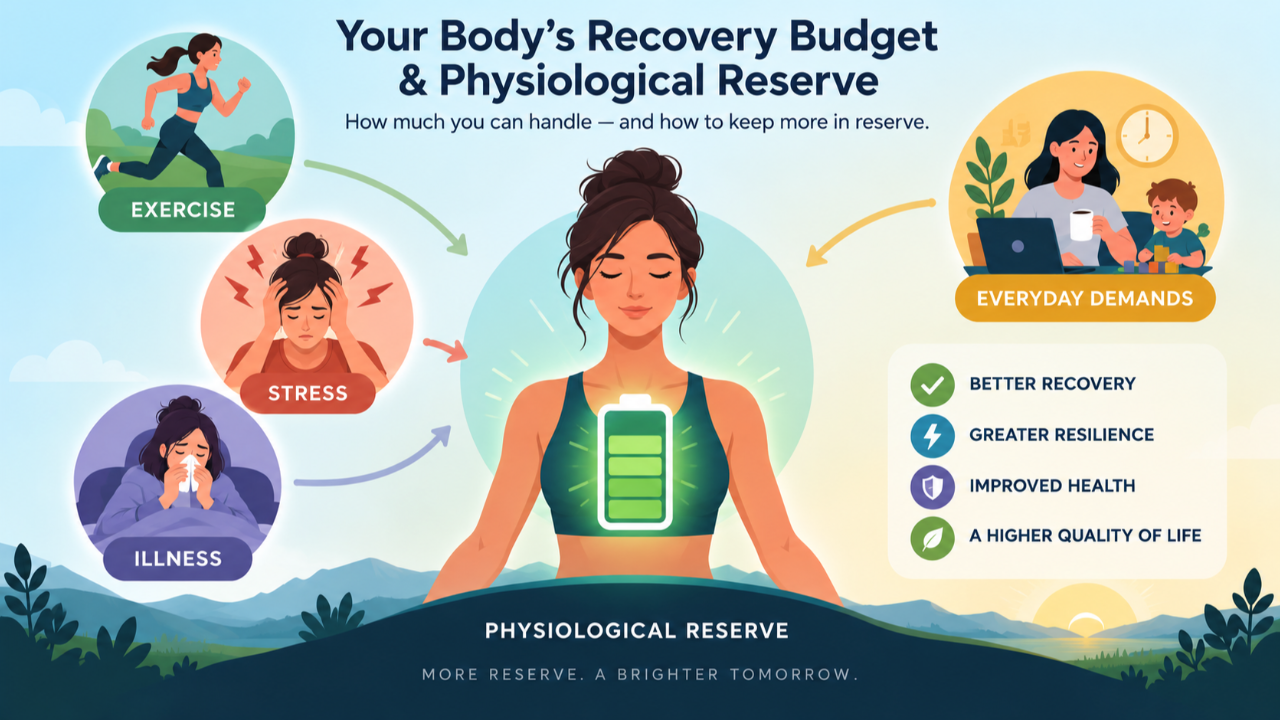
Have you ever noticed that something your body handled easily in the past suddenly feels harder?
Maybe a workout that once left you pleasantly tired now leaves you sore for several days. A busy week that you previously managed without much thought feels exhausting. Travel takes longer to recover f...
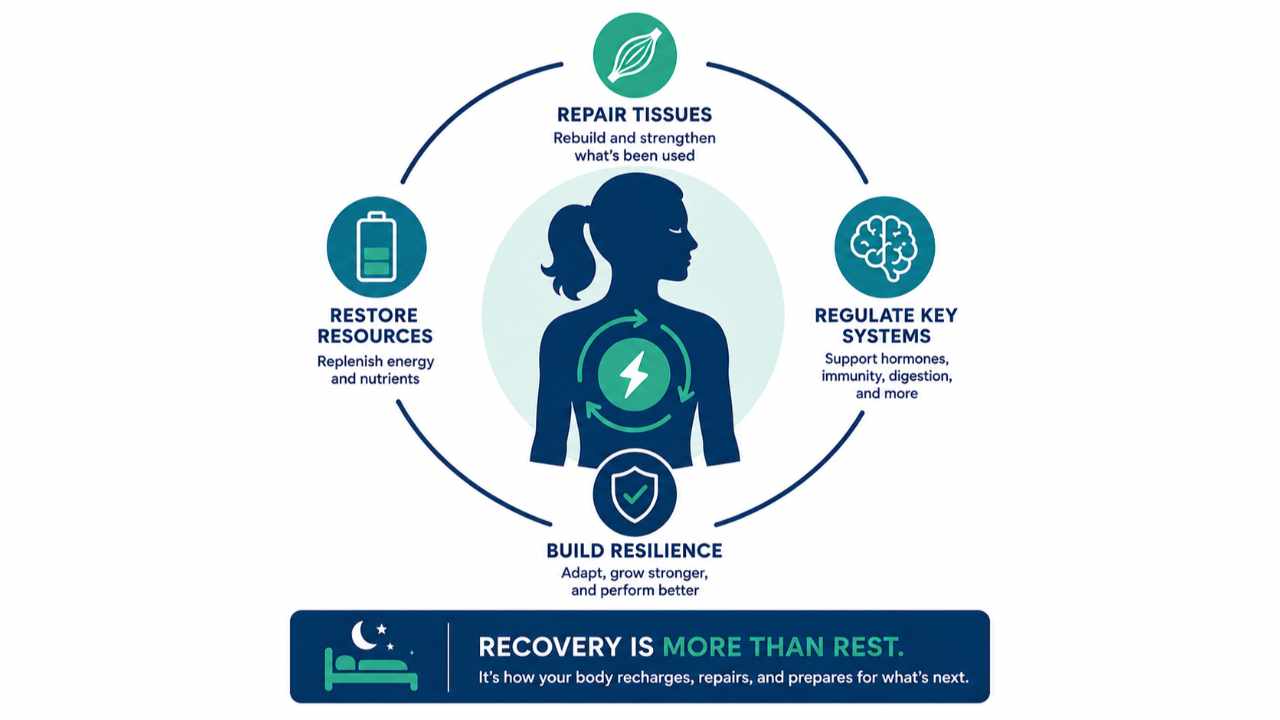
When you hear the word recovery, what comes to mind?
Maybe it's getting a good night's sleep after a long week, putting your feet up after a busy day, taking a rest day from exercise, or finally getting some downtime after a stressful period of time.
All of those things can be valuable. They crea...
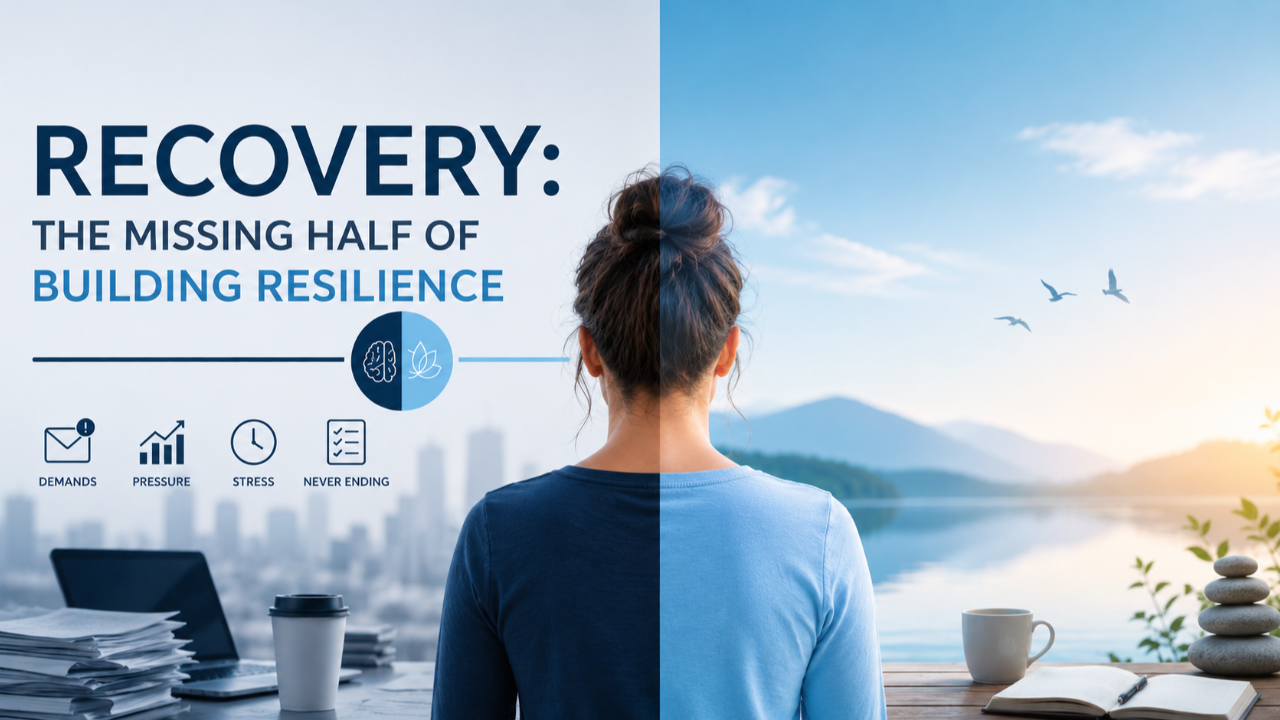
Over the past several weeks, we’ve explored stress from a different perspective.
We’ve talked about why not all stress is harmful, how the brain and body interpret challenges, how stress can come from sources we don’t always recognize, and why building greater physiological reserve can help us bec...
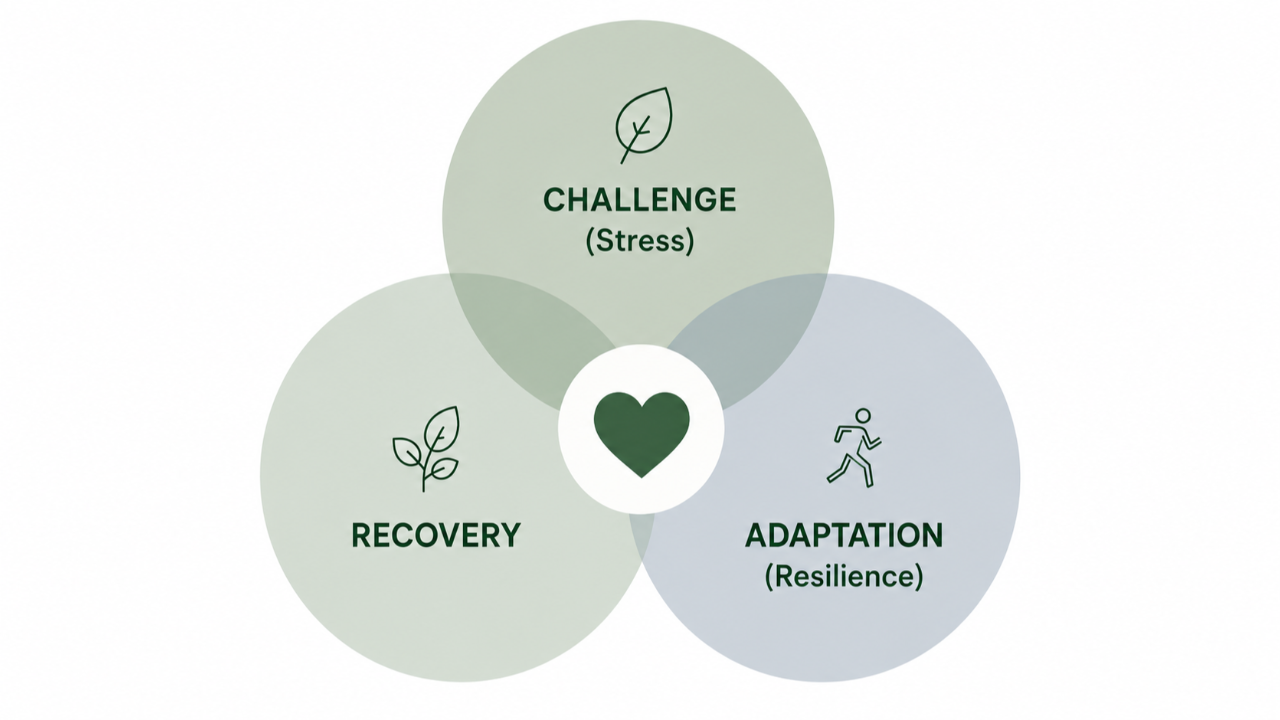
Much of the conversation around health focuses on avoiding what might harm us. Reduce stress. Avoid toxins. Control blood sugar. Improve sleep. Eat better. Exercise more.
These things matter. But there is another side of the health equation that deserves just as much attention: How well prepared ...
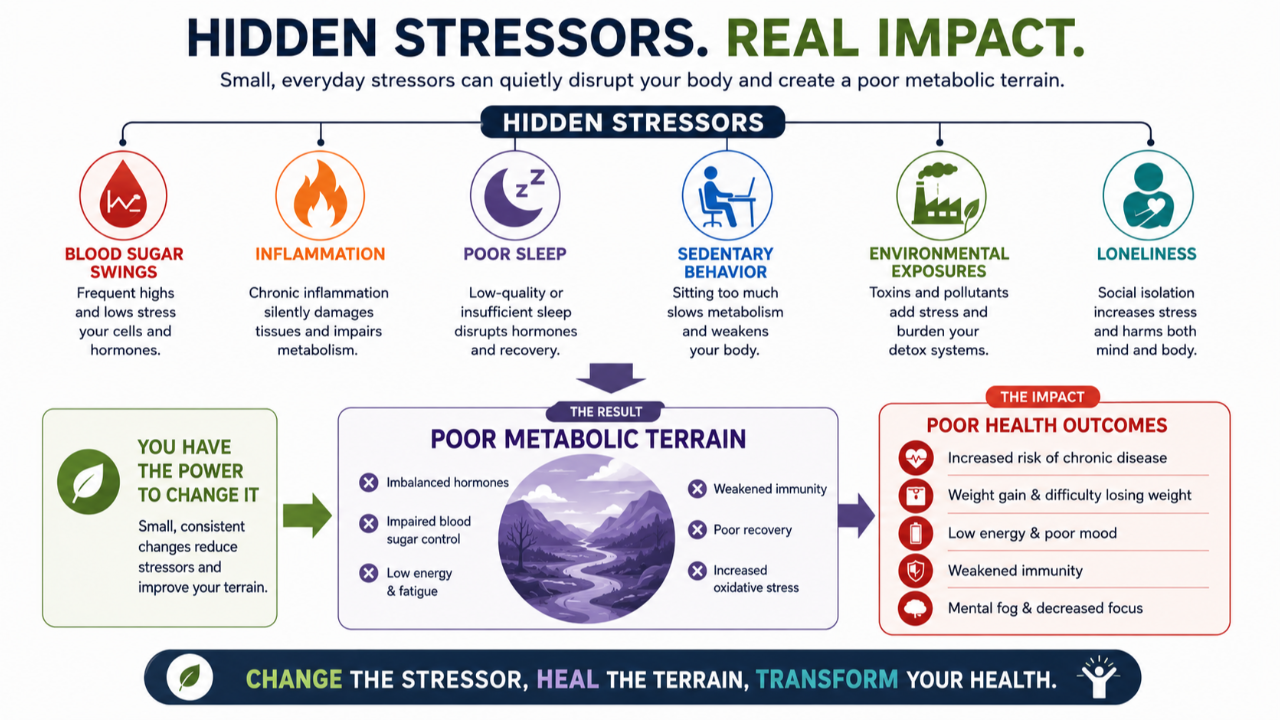
When we hear the word stress, most of us think about the things we can feel: a difficult relationship, a demanding job, financial uncertainty, caregiving responsibilities, conflict, grief, or simply having too much to do. These experiences absolutely matter. But emotional stress is only one form of ...
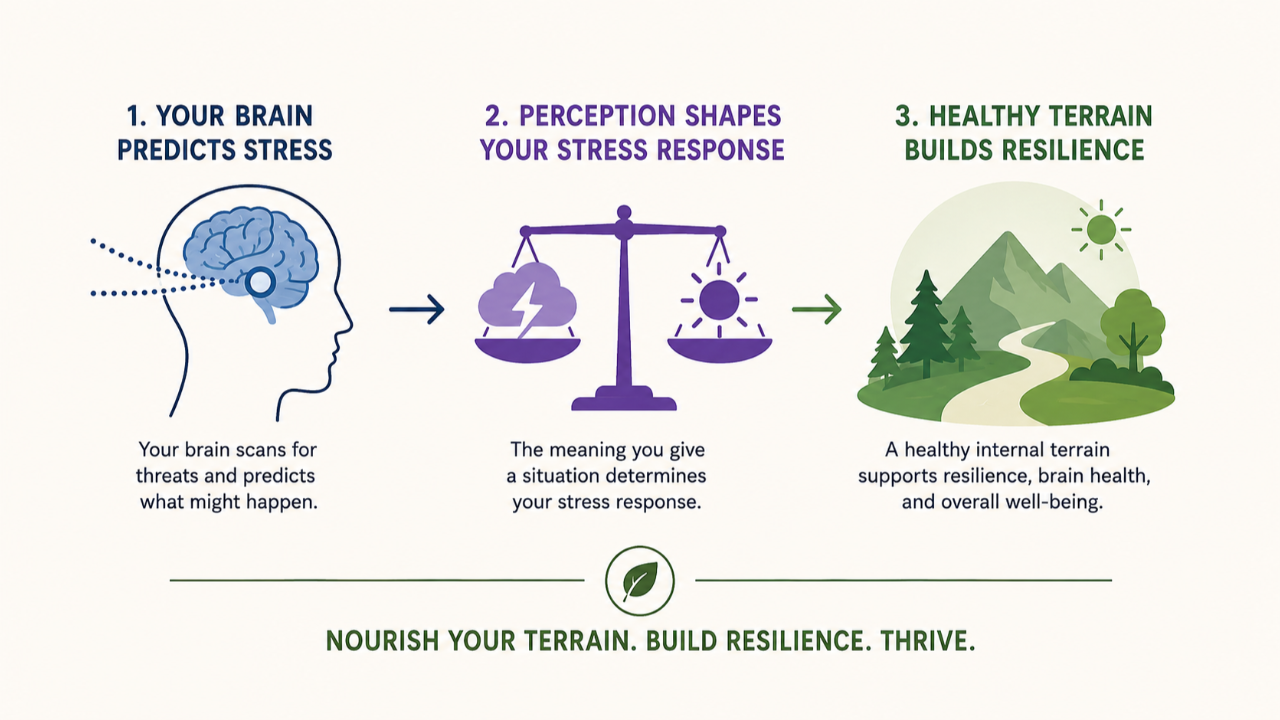
If you've ever wondered why one person remains calm during a difficult situation while another feels overwhelmed, the answer isn't simply personality. It's rooted in neuroscience.
Many of us assume the brain functions like a camera taking in information, analyzing it, and then deciding how to re...
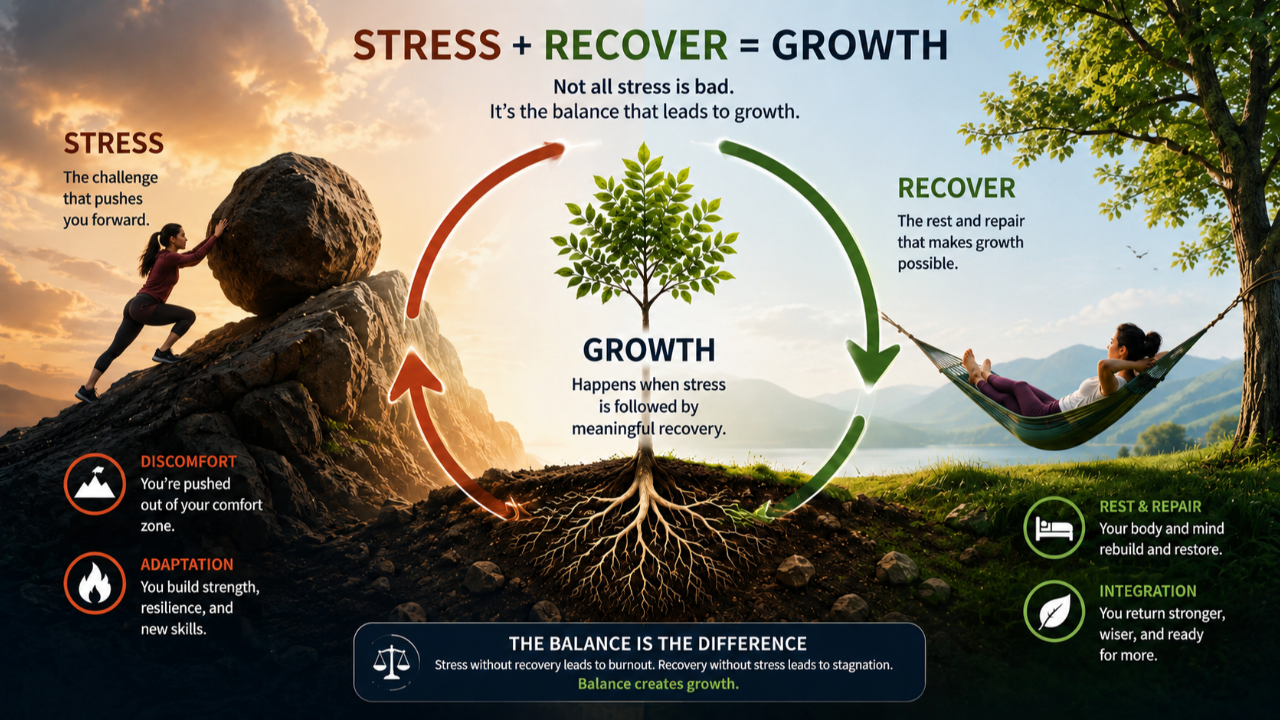
When you hear the word stress, what comes to mind?
