
What is the Metabolic Approach to Cancer?
Jan 14, 2026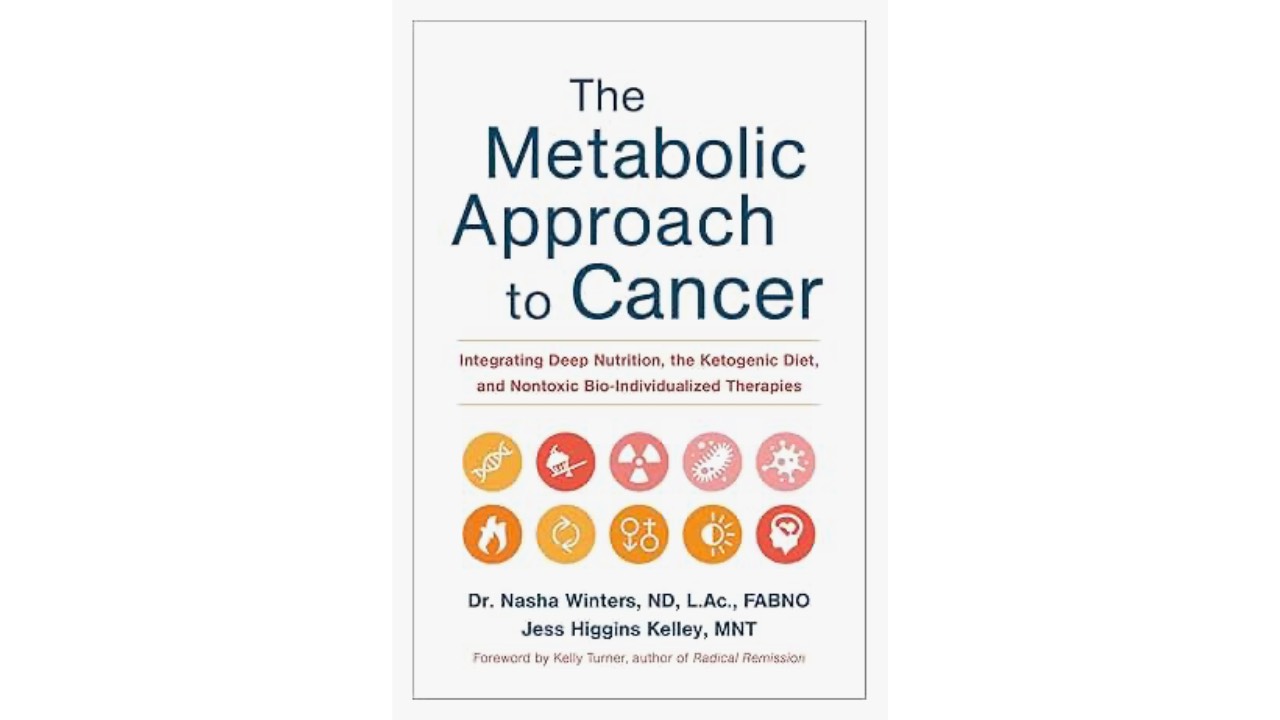
Understanding the Metabolic Approach to Cancer
When someone hears the word cancer, the focus usually goes straight to the tumor.
What type is it? Where is it located? How do we remove it, shrink it, or destroy it?
That focus makes sense and modern medicine has made incredible advances in treating cancer directly through surgery, chemotherapy, radiation, immunotherapy, and targeted drugs. These treatments save lives every day.
But there is another important question that often goes unasked:
What is happening in the rest of the body that allowed cancer to grow in the first place?
This is where the metabolic approach to cancer comes in.
What does “metabolic” mean?
In simple terms, metabolism refers to how your body creates and uses energy.
Every cell in your body needs energy to function, repair, and communicate.
Cancer cells behave very differently than healthy cells. One of the biggest differences is how they produce energy. Instead of using oxygen efficiently (as healthy cells do), cancer cells rely heavily on sugar (glucose) and fermentation to survive and grow.
The metabolic approach looks at cancer through this lens not just as a genetic problem, but as a whole-body, whole-system issue.
The standard of care approach (and why it matters)
Standard cancer care is designed to:
-
Remove tumors
-
Kill cancer cells
-
Slow or stop cancer growth
-
Reduce symptoms and extend life
This approach is essential. It addresses cancer directly, and for many people, it is lifesaving.
However, standard treatments often focus less on:
-
Blood sugar regulation
-
Inflammation
-
Mitochondrial health (your cells’ energy centers)
-
Metabolic stress
-
Lifestyle and environmental factors
That doesn’t mean these things aren’t important. It simply means they aren’t the primary focus of conventional oncology care.
How the metabolic approach is different
The metabolic approach asks a broader set of questions, such as:
-
How stable is the body’s blood sugar and insulin response?
-
Is the body stuck in a chronic state of inflammation?
-
Are the mitochondria functioning well?
-
Is the internal environment supportive of healing or of disease?
-
How do stress, sleep, nutrition, movement, and mindset impact recovery?
Instead of targeting cancer cells alone, the metabolic approach focuses on improving the terrain. The internal environment of the body.
Think of it this way:
If cancer cells are seeds, the terrain is the soil.
Healthy soil makes it harder for harmful cancer seeds to take root and thrive.
What the metabolic approach looks like in real life
A metabolic approach does not replace medical treatment.
It works alongside it.
Depending on the individual, this approach may include:
-
Supporting blood sugar balance and metabolic flexibility
-
Reducing chronic inflammation
-
Nourishing the body with nutrient-dense foods
-
Supporting detoxification pathways
-
Improving sleep and stress resilience
-
Encouraging gentle, appropriate movement
-
Addressing emotional and nervous system health
-
Helping someone feel empowered and involved in their healing process
This work is highly personalized. There is no one-size-fits-all plan.
Why this approach can feel empowering
Many women navigating cancer feel like they’ve lost control over their bodies and their lives. Appointments, scans, and treatment schedules can take over everything.
The metabolic approach offers something powerful:
A way to participate in your healing.
It gives you areas where your daily choices matter not in a perfection-based or overwhelming way, but in a supportive, compassionate way.
Small shifts, done consistently, can help the body feel safer, stronger, and more resilient during and after treatment.
Complementary — not alternative
It’s important to be very clear:
The metabolic approach is not an “either/or” choice.
You do not have to choose between:
-
Conventional medicine or
-
A metabolic or lifestyle-focused approach
For many people, the most supportive path is both.
Medical treatments address cancer directly.
Metabolic support strengthens the body carrying you through treatment and beyond.
Why the whole person matters
Cancer doesn’t just affect the body.
It affects emotions, identity, relationships, and the nervous system.
A metabolic approach recognizes that healing happens best when the whole person is supported — physically, emotionally, and mentally.
Feeling calmer, more informed, and more connected to your body can make a meaningful difference in how you move through this experience.
A gentle reminder
This work is not about blame.
It is not about “doing cancer wrong” or fixing something you failed at.
It’s about creating an environment inside your body that supports healing, resilience, and quality of life one thoughtful step at a time.
You don’t have to do this alone
At Terrain Wellness Coach, I support women navigating cancer who want to:
-
Understand their bodies more deeply
-
Feel less overwhelmed and more empowered
-
Complement their medical care with supportive, evidence-informed strategies
-
Reclaim a sense of agency during a very uncertain time
Your diagnosis is part of your story but it is not the whole story.
Together, we focus on the terrain that supports your healing journey.
If you are interested in more information, schedule a free Discovery Call.
Let's stay connected!
Join my free Terrain Wellness Community
or sign up for my mailing list to receive the latest news and updates.
I will never sell your information, for any reason.
